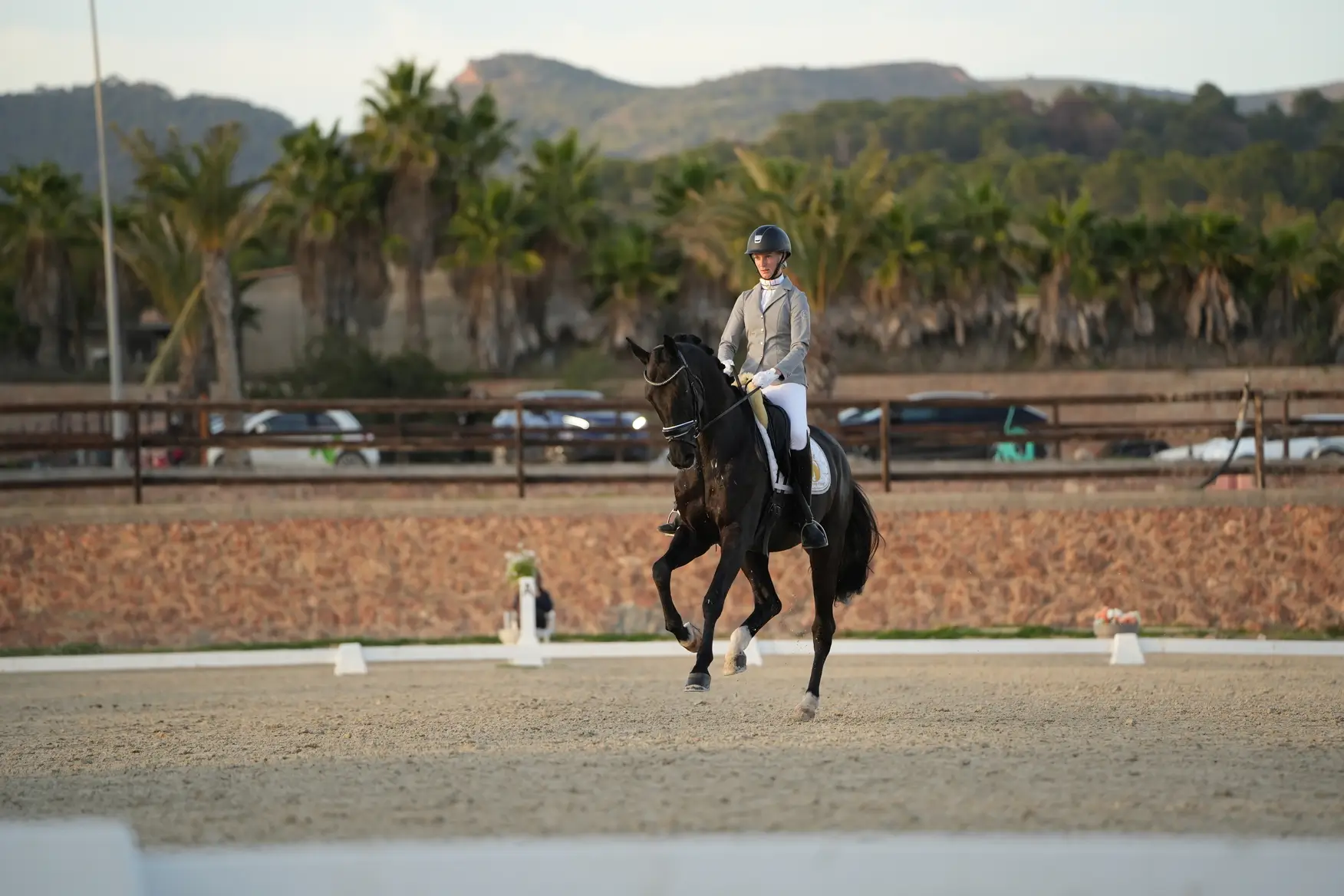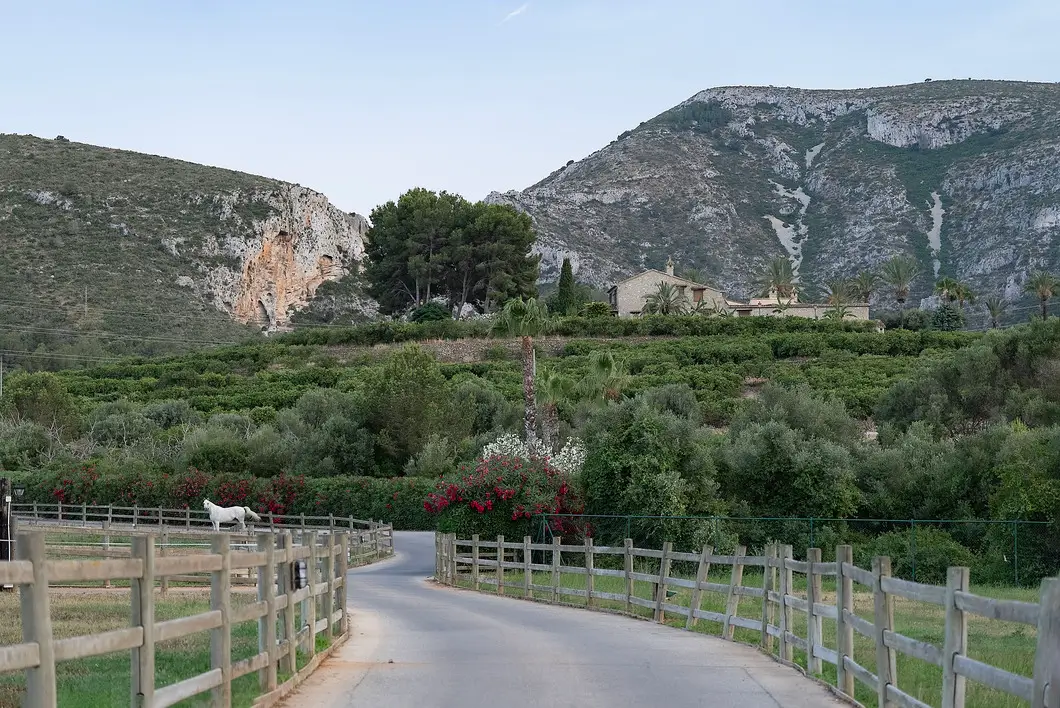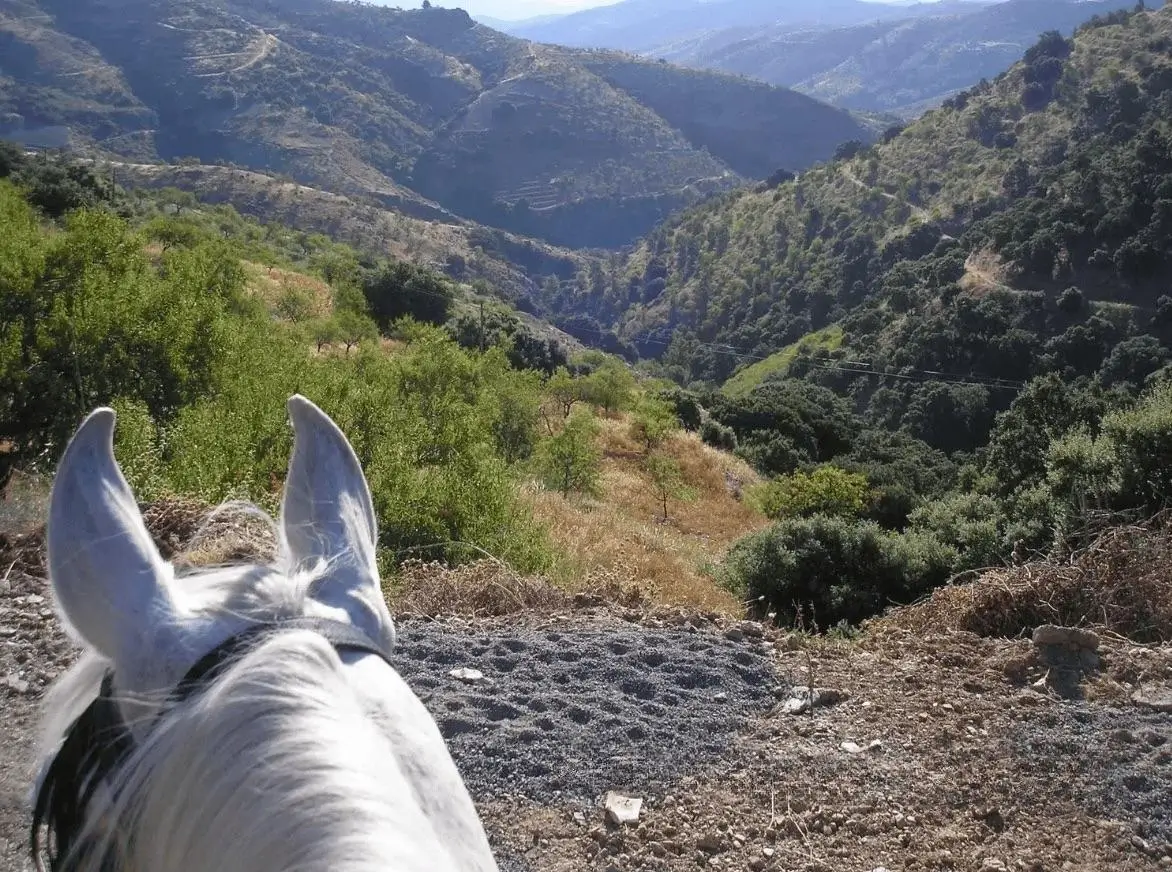

Buying a horse property in Spain is an exciting step, but it requires careful planning and a clear understanding of local regulations and practical considerations. Some buyers dream of a charming country home with a bit of land, while others seek a fully equipped equestrian estate or even a bare land plot to build their dream farm from scratch.
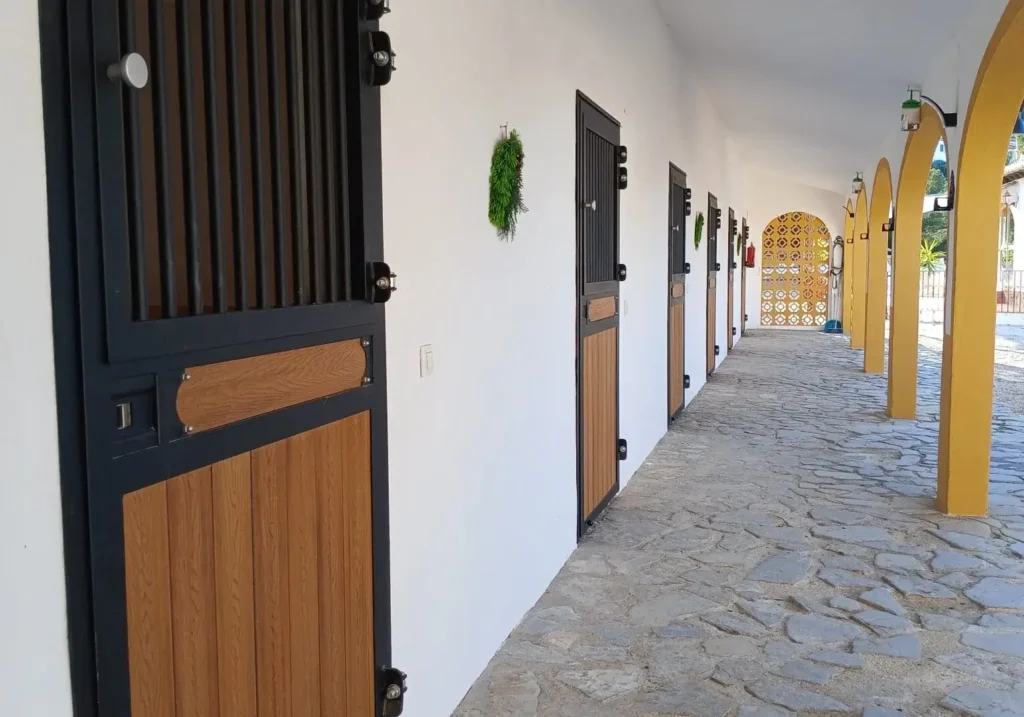
Older properties often carry charm and character, yet they can present practical issues. Stables may be small, ventilation limited, and paddocks or arenas in need of updates. However, when there are already existing facilities that you want to modify, obtaining permits is often quicker and easier than for completely new construction. Designing a property entirely from the ground up gives complete freedom, but it requires patience, careful planning, and a solid understanding of local zoning and construction regulations.
When buying rural land, it’s important to be aware that building regulations vary by region. In most cases, only 1–2% of the total plot is permitted for construction, making plot size a key factor when purchasing rural property. As a general guideline, a plot of approximately 10.000–20.000 m² is often required to allow for a construction of around 200–400 m², subject to local planning regulations.
If you plan to keep horses, you need to have a REGA number. Each horse on the property needs to be registered under the REGA number. REGA is the official Spanish livestock registry and applies to all livestock owners, including equines.
To register your property, there are some minimum facility requirements you need to meet:
-
- Fenced land: The entire area where horses are kept must be securely fenced.
- Shelters: Horses must have access to a roofed area or well-ventilated shelters to protect them from sun, rain, and wind.
- Water supply: A reliable water source must be available at all times, with troughs or automatic drinkers.
- Hygiene and biosecurity: Stables and paddocks should be maintained in clean condition to prevent disease.
- Record keeping: You must keep accurate records of all horses on the property, including movements, births, and deaths.
Even for private properties, ensuring that your land and facilities meet REGA standards is important. Complying with REGA ensures you are legally allowed to operate and protects both your horses and your investment.