
The equestrian sport in Spain
Spain is becoming an increasingly popular destination for equestrian professionals looking to relocate. The combination of sunny weather, diverse landscapes, and a growing equestrian community makes it an attractive place for competition riders, trainers, and breeders alike. Whether you are focused on show jumping, dressage, or exploring niche disciplines, there are opportunities, but success requires an understanding of the local scene.
Show jumping remains the most established discipline across Spain, with national and international competitions held throughout most regions. Major events such as the De Moura Tours, the Oliva Mediterranean Equestrian Tour (MET), and the Sunshine Tour attract riders from across Europe and beyond, offering top-level competition for both amateurs and professionals. The infrastructure in these areas is strong, with access to experienced trainers, high-quality arenas, and excellent stabling, making Spain an attractive base for show jumping businesses.
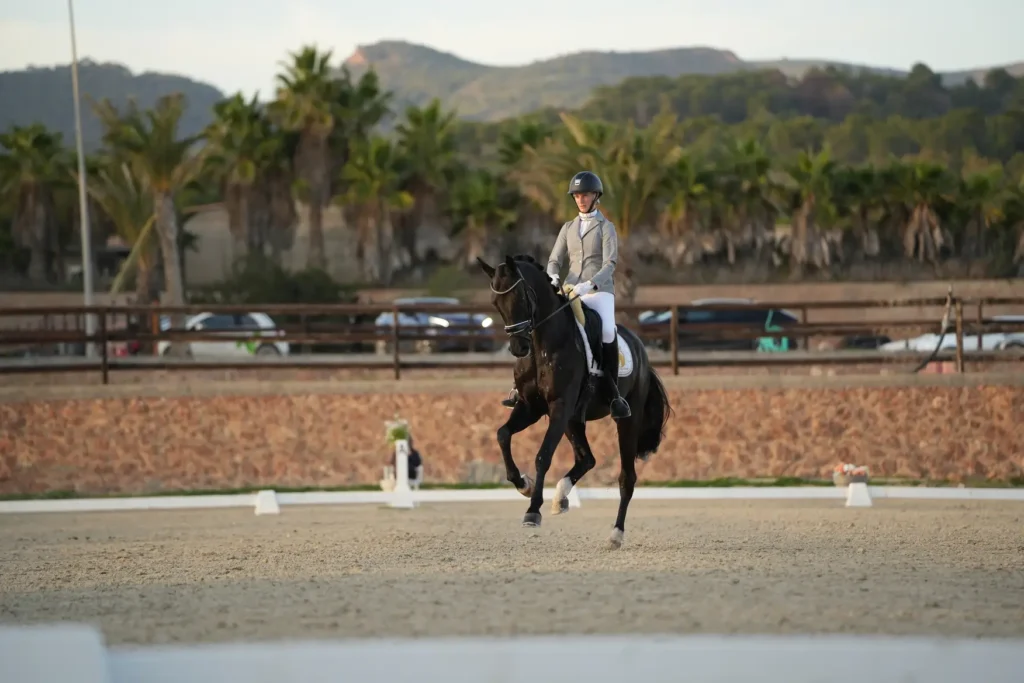
Dressage, while generally smaller in scale, is steadily growing, particularly in Catalonia. The region has cultivated a dedicated community of riders, trainers, and enthusiasts, creating a vibrant dressage scene. Catalonia is also home to internationally recognized riders, such as Olympic dressage competitor Beatrice Ferrer-Salat, whose presence has helped raise the profile of the discipline locally. National competitions, clinics, and training programs increasingly attract international professionals, offering opportunities for those specializing in dressage to establish a stable in a flourishing environment.
In recent years, Working Equitation has also been gaining attention. This unique Spanish discipline combines dressage, trail riding, and agility challenges inspired by traditional ranch work. For professional equestrian businesses, it represents an opportunity to differentiate themselves, appealing not only to competitive riders but also to tourists and recreational riders who want to experience authentic Spanish riding culture.
Regional differences play a major role in the type of equestrian environment you’ll find. Catalonia offers strong support for dressage, with excellent infrastructure, although property prices tend to be higher. Andalusia is particularly appealing for jumping riders, with a warmer climate and more affordable land, though travel times to competitions can be longer. Valencia and Madrid occupy a central position for national competitions and host strong jumping and eventing communities. Choosing the right region depends on your discipline, business goals, and lifestyle preferences.
Relocating to Spain presents exciting opportunities, from competing in established disciplines to developing clinics or niche programs like Working Equitation. The key to success lies in strategic planning, understanding local regulations, and investing in high-quality facilities.