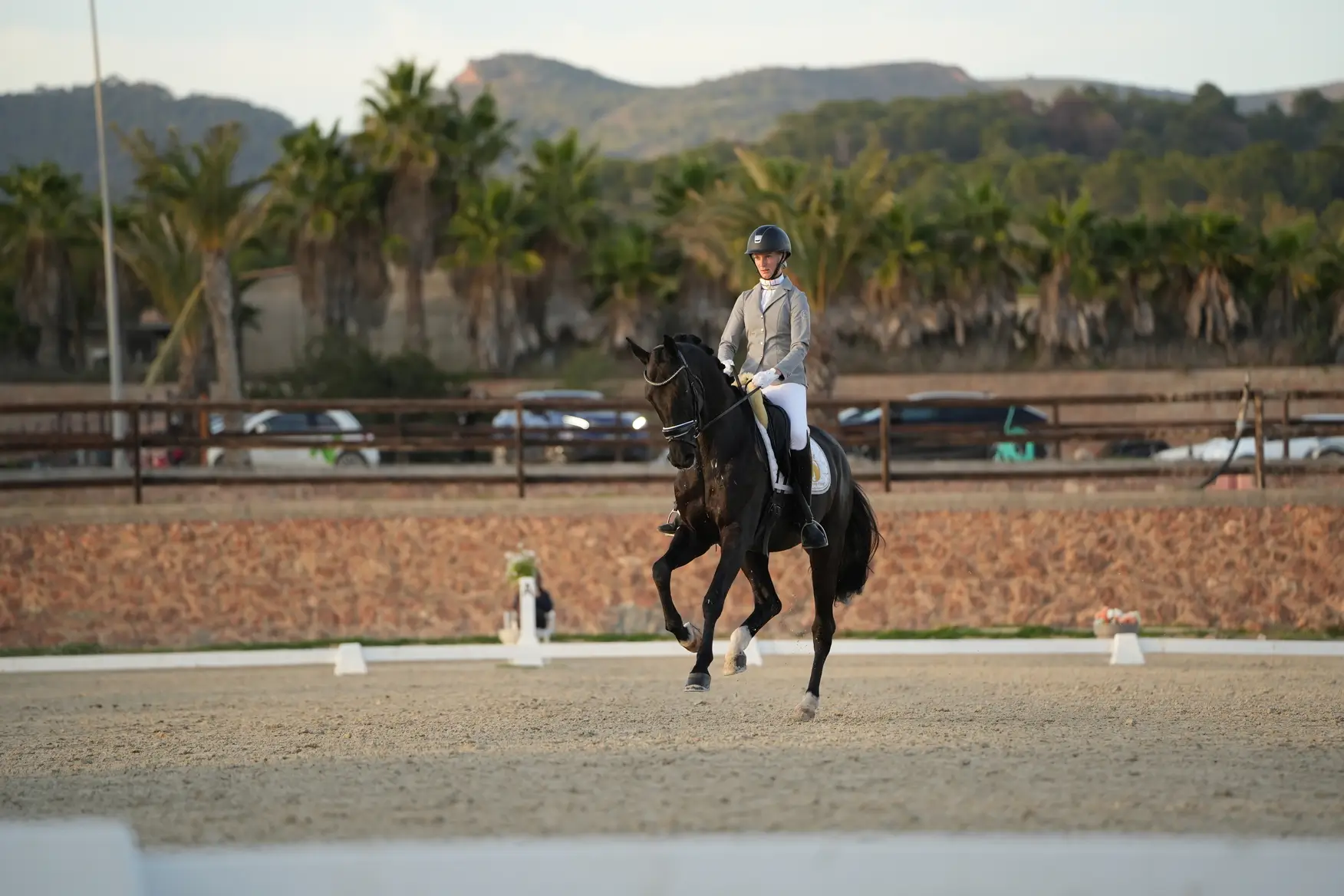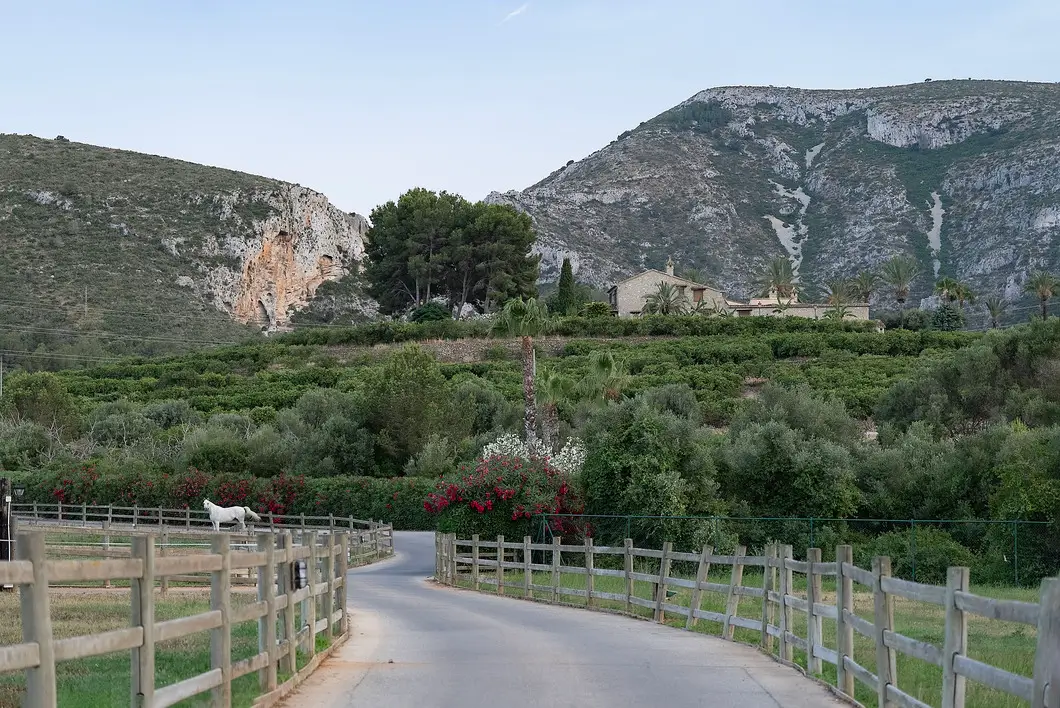

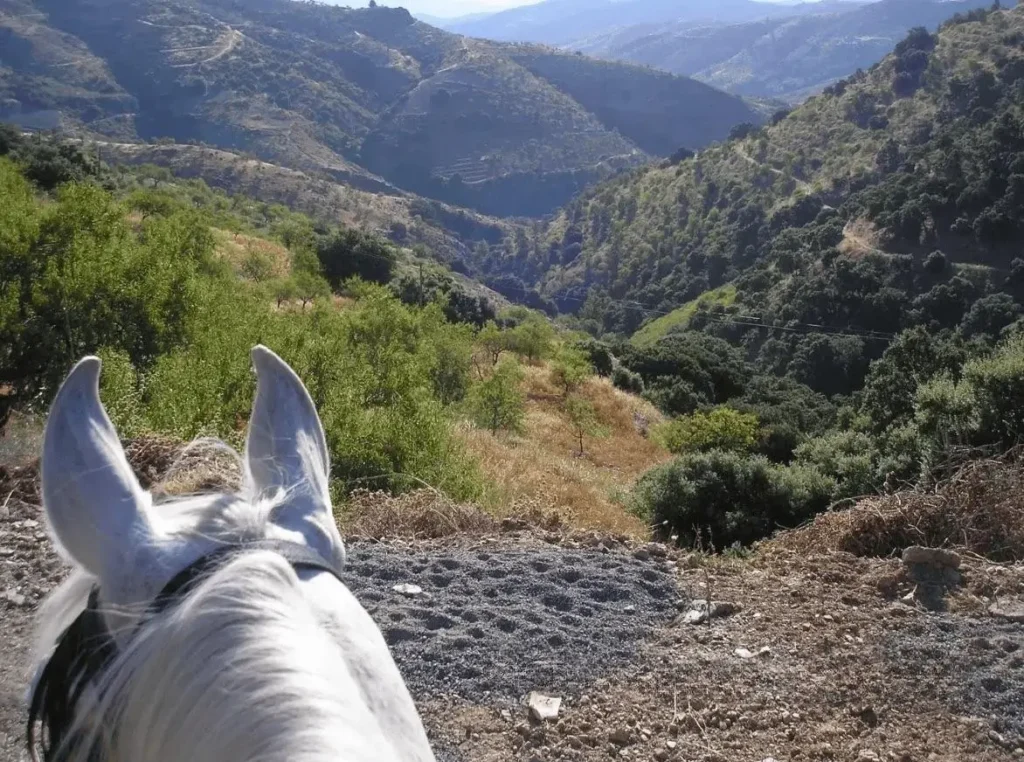
Relocating to Spain with horses often begins with a simple image: blue skies, dry ground and horses living outdoors while life back home feels rushed and weather dependent. Spain promises more space, sunlight, and a slower rhythm, something that appeals strongly to equestrians. That dream can absolutely become reality. But relocating to Spain with horses is not a spontaneous decision. It requires preparation, flexibility, and a clear understanding of how climate, property standards, and daily horse management differ from Northern Europe. When approached realistically, the move can be very rewarding.
The climate: generally dry, but not always
Many Northern European horse owners are used to managing rain, mud, and cold for much of the year. In Spain, those challenges are often less frequent, with generally dry ground and mild winters in many regions.
However, weather can vary greatly depending on the region and even the year. For example, this year has seen unusually high rainfall in some areas, reminding us that Spain is not uniformly sunny or dry. Fields can become muddy, and water management may still be necessary in wetter regions.
For much of the year – roughly nine months in a typical year – conditions are excellent for keeping horses outdoors. Paddock living is common, and mild winters allow for a more natural lifestyle. Summer, however, is reliably hot in many regions, with temperatures often reaching 35–45°C (95–113°F), making shade, water, and adjusted routines essential. Horses are usually turned out during the cooler evenings and nights, while the hottest part of the day is spent resting in the shade to conserve energy. Riding routines are adjusted accordingly, with sessions moved to early mornings or late evenings when temperatures are more comfortable.
Facilities matter more than you expect
A common misconception is that any rural property in Spain is automatically suitable for horses. In reality, property standards vary greatly, and what works in a cooler climate may not work here.
-
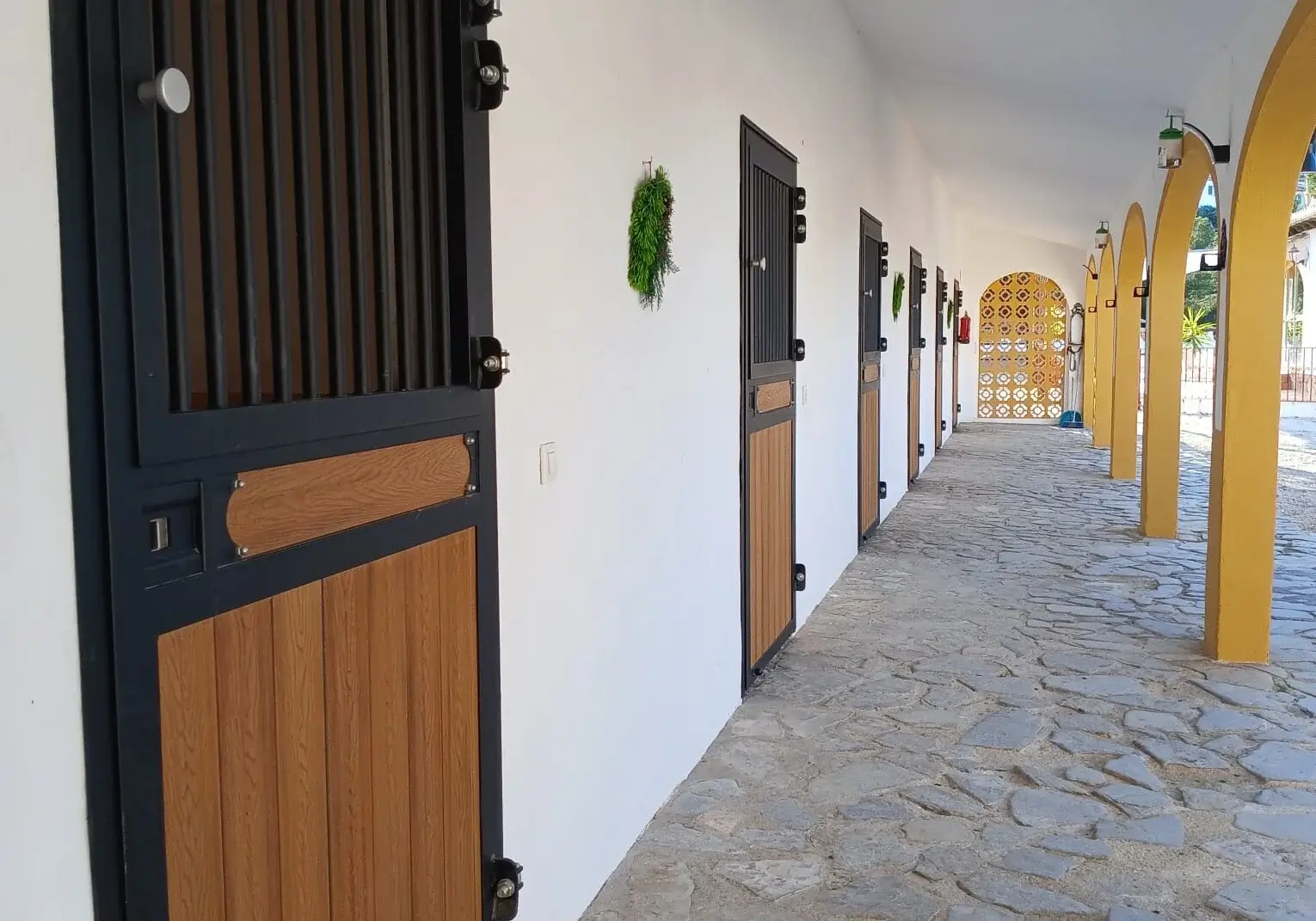
- Shade is essential. Trees, shelters, or open, well-designed stables are not optional extras in a hot climate. Poor ventilation can quickly turn a stable into an oven, making airflow a critical consideration. In some cases, fans or cooling systems are practical necessities rather than luxuries.
- Water access is equally important. Water shortages can occur in certain regions. A reliable water supply or a private well can make daily management far easier and more secure.
- Insects are another part of summer life. Flies and mosquitoes can be intense, but with good hygiene, fly protection, and thoughtful stable management, they are manageable.
Horse feed and supplies in Spain
Horse feed is widely available in Spain, though it may differ slightly from what many owners are used to in Northern Europe. Basic feeds such as alfalfa, barley, oats, and standard pellets are easy to source, especially in rural areas. Specialised sport feeds or brand-specific mixes may require ordering through equine suppliers or purchasing in bulk.
Once suppliers are established and routines are in place, sourcing feed becomes straightforward, especially near regions such as Valencia, Madrid, Barcelona, or Andalusia.
Key differences many expat horse owners notice:
-
- Alfalfa plays a central role in Spanish horse feeding and is commonly used as the main forage. While often good quality, it should be introduced carefully, particularly for horses not accustomed to it.
- Hay quality varies by region and season, with much of the higher-quality hay imported from France. Many owners therefore order in bulk, making adequate storage space an important consideration when choosing a property.
- Well-known brands such as Pavo, Cavalor, Havens, and Marstall are available, particularly near competition centres and larger equestrian hubs. Supplements are less widely available and are often imported, so planning ahead is advisable.
Horse keeping costs and daily practicalities
The cost of keeping horses in Spain varies by region, property type, and management style.
Farrier services are often cheaper or similar in price than in Northern Europe. Feed costs depend on quality and availability, while hay prices are closely linked to season, rainfall, and irrigation. Bedding options may differ, depending on regional availability.
Because availability can vary significantly from one area to another, connecting with local equestrian suppliers early is highly recommended.
Why Spain appeals to horse owners
Spain continues to attract equestrians for good reason. Mild winters allow for year-round outdoor training, extensive trail networks invite long rides, and rural properties often offer more space at lower prices than in Northern Europe. In many regions, there is also a strong international equestrian community, providing both expertise and social connection.
Final thoughts
Relocating to Spain with horses can be a fulfilling lifestyle change, offering space, outdoor living and a better work-life balance. But it requires realistic expectations, planning and local knowledge.